
Reflections- ETCHROAnnual Conclave
The conclave brought together around 100 CHROs and HR leaders representing diverse sectors, including manufacturing, financial services, automotive, IT, pharmaceuticals, electronics and new-age businesses. It was an excellent forum for exchanging perspectives on the rapidly changing world of work and the evolving role of HR leadership.

Uma Nagarajan
Partner
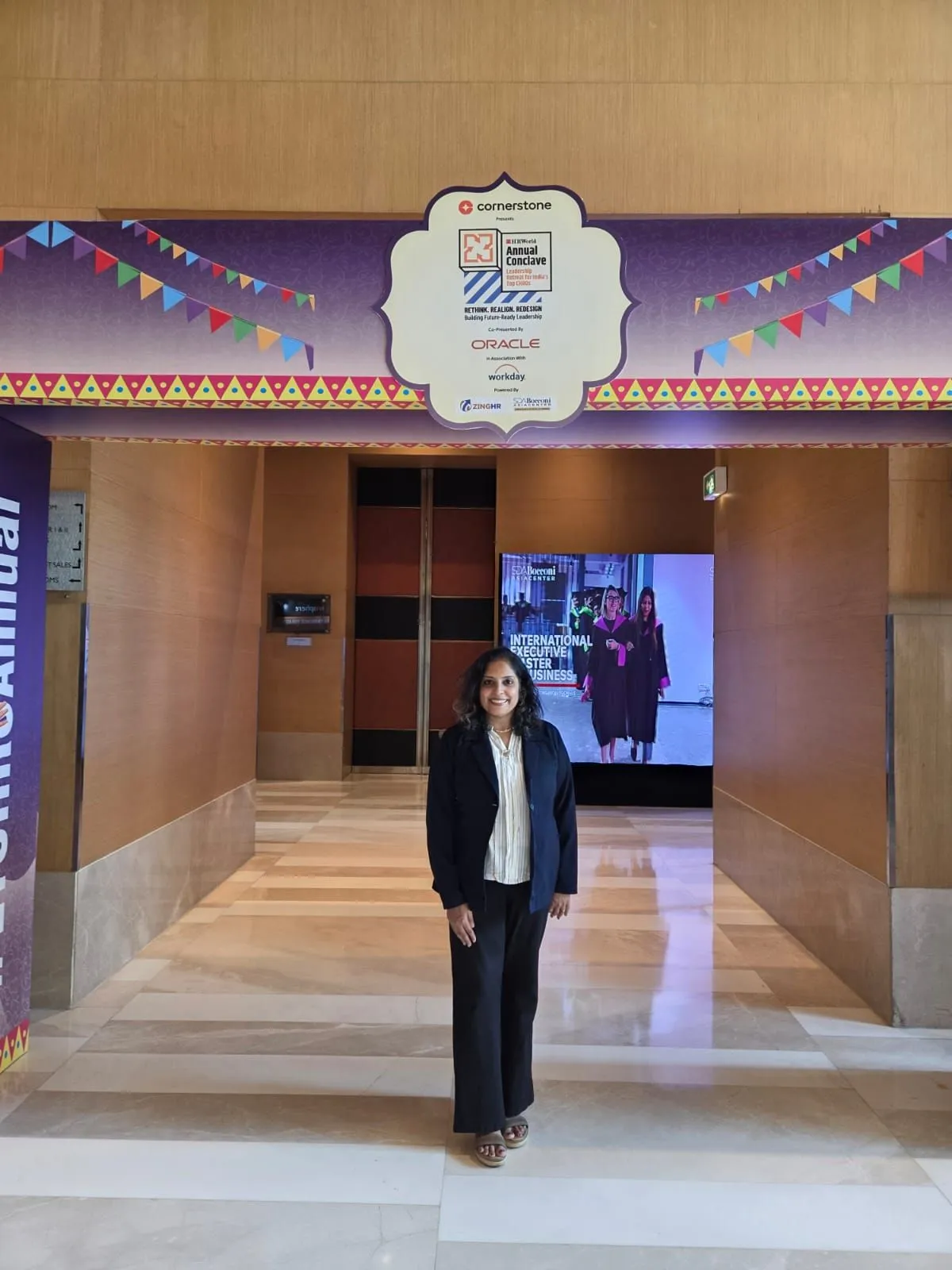
The conclave brought together around 100 CHROs and HR leaders representing diverse sectors, including manufacturing, financial services, automotive, IT, pharmaceuticals, electronics and new-age businesses. It was an excellent forum for exchanging perspectives on the rapidly changing world of work and the evolving role of HR leadership.
AI was naturally at the centre of many conversations. The discussions went beyond the capabilities of AI tools and focused on the practical barriers to adoption—organisational readiness, leadership alignment, employee acceptance, data quality, governance and the capabilities required to work effectively with AI.
The larger question is no longer whether organisations will adopt AI, but whether they are adequately prepared for it.
For CHROs, this means developing a deeper understanding of how AI will influence workforce design, job roles, skills and organisational culture. AI cannot remain only a technology initiative; it must become an important part of the people and business agenda.
Another important discussion was the need to move from people metrics to business metrics. HR effectiveness cannot be assessed only through hiring numbers, attrition rates, engagement scores or training hours. The real value lies in understanding how people decisions contribute to productivity, business growth, leadership continuity, customer experience and organisational performance.
For those of us who work closely with organisations on leadership and talent, these conversations reinforce the importance of understanding the business context behind every people requirement. Identifying talent is not simply about matching a profile with a job description—it is about understanding the organisation’s direction, culture, challenges and the leadership capabilities required for its next stage of growth.
Beyond the sessions, the conclave was also a wonderful opportunity to reconnect with HR leaders we have worked with, meet several other HRLeaders in person and learn from their experiences across industries.
I returned from Amritsar with new perspectives, meaningful conversations and a stronger belief that the future of HR will depend on its ability to combine human judgement, business understanding, technology and data.
Thank you to ETHRWorld for bringing together such a diverse HR leadership community and creating a platform for open and relevant conversations.
As organisations move towards becoming AI-accelerated enterprises, it would be valuable to learn how CHROs and HR thought leaders are approaching this transition. Please share your in the comments


Uma Nagarajan
AUTHORPartner
Executive leadership search, PE portfolio hiring, and board advisory specialist.
View all insights by Uma Nagarajan